
Samiullah vs. The State of Bihar & Ors. [2025 INSC 1292]
Blockchain can make land registration secure – SC
RELEVANT PARAGRAPH
8.4 Reformation of Land Registration processes and to
eschew “fraudulent/multiple registrations”.
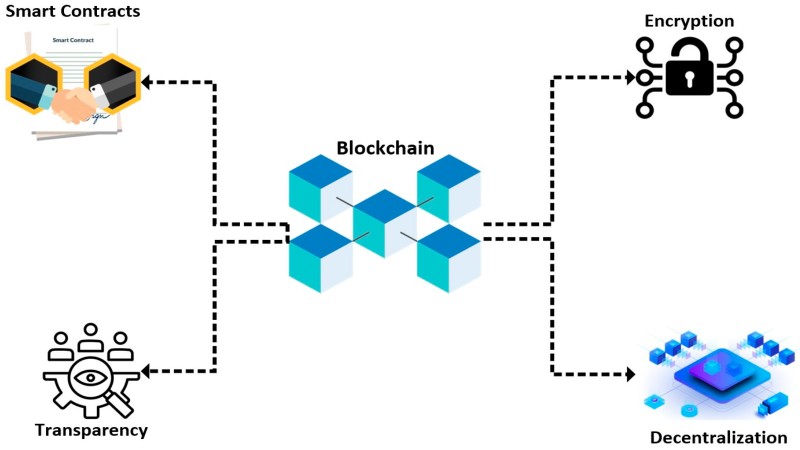
35. Fortunately, due to technological advancement this
process is duly and more accurately achievable. We have incorporated emerging
technologies as instruments of institutional reform. Blockchain technology has
garnered particular attention for its potential to transform land registration
into a more secure, transparent and tamper-proof system. It is suggested that
adoption of Blockchain technology would ensure immutability, transparency and
traceability, thereby minimizing fraud and unauthorized alterations. Blockchain
technology is said to offer an alternative paradigm by encoding land titles,
ownership histories, encumbrances, and by recording transfers on a Distributed
Ledger in an immutable and time stamped form. Each entry, once validated into
the Distributed Ledger, becomes part of a cryptographically linked chain of
information that cannot be retroactively altered without detection. This
property of immutability could enhance the integrity of title records and
strengthen public trust in the ownership framework. This cryptographic
immutability could perhaps address the structural fragility of Indian record
keeping system. The Blockchain design could integrate cadastral maps, survey
data, and revenue records into a single verifiable framework, which, while
maintaining a transparent audit trail, is accessible to multiple departments
and the public.
36. We take note of the technological advancement
only to suggest that there is now a possibility of overcoming the binary that
our laws have created in maintaining a register for transfers for long, but
have neither granted credibility or conclusiveness of title. At the same time,
the process of registration is cumbersome and time-consuming. Registration of
deeds being a concurrent list subject, Government of India must take lead in
constituting a body, with the participation of the States, to examine this issue
in light of the technological advancement for integrating the property
registration regime with conclusive titling. The process may involve
restructuring and reviewing our existing laws, i.e. the Transfer of Property
Act, 1882, Registration Act, 1908, Stamp Act, 1899, Evidence Act, 1872,
Information Technology Act, 2000, Data Protection Act, 2023 and may require
introduction of new laws for incorporating Blockchain technology with necessary
safeguards. This will necessarily require establishing regulatory framework which
institutionalizes processes with integrity and efficiency.